


From Rome’s Baroque terraces to the hidden courtyards of the Po Valley, and the fairy-tale clearings of the Pontine Plain. A journey to rediscover Italy’s memory and landscape
There is an invisible geography running through Italy, made up of heavy wooden doors guarding silent courtyards, wrought-iron gates beyond which time seems to have slowed, and monumental hedges concealing unexpected visions. It is the subtle weave of secret gardens: spaces once created for private contemplation or aristocratic seclusion, which today, on the threshold of autumn, are opening their gates to the public.
From Rome’s panoramic heights to the quiet canals of Venice, passing through the grand geometries of Piedmont’s Savoy residences and Florence’s historic parks, art and botany come together in an unexpected dialogue. It is a rare opportunity to cross the threshold of the inaccessible and rediscover, through nature, historical memory and contemporary expression.
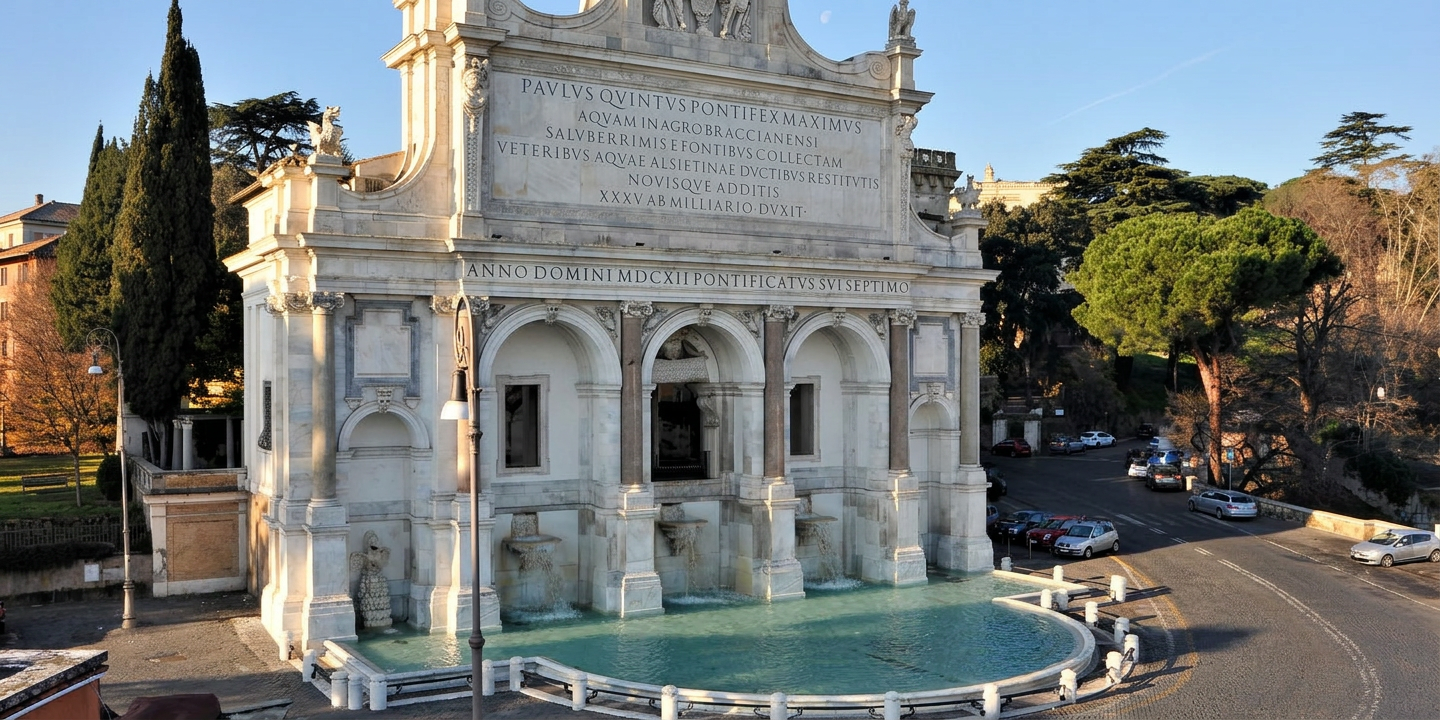
Rome and the Janiculum: sunset enchantment at the Giardini dell’Acqua Paola. In the heart of the capital, the Janiculum terrace offers one of the most celebrated views of Rome from the right bank of the Tiber. Just below the main square, the monumental Fontana dell’Acqua Paola — universally known as the Fontanone — dominates the panorama with its majestic Baroque architecture. Built between 1610 and 1614 by Giovanni Fontana, Flaminio Ponzio and Ippolito Buzio, using reused marble from the Roman Forum and the Temple of Minerva, the structure was conceived as the terminal fountain of the Traiano-Paolo Aqueduct, supplying the districts of Trastevere, Borgo and the Vatican, as well as the fountains of Piazza Navona.
While the five-arched façade, reorganised at the end of the seventeenth century by Carlo Fontana, is universally famous, less well known is the secret garden that unfolds behind it. Once part of the Botanical Garden before its transfer to Villa Corsini, this protected corner preserves a late-seventeenth-century nymphaeum decorated with the emblems of the Borghese family and Pope Innocent XII Pignatelli, as well as stone fragments and a loggia with ancient inscriptions. Until 29 September, the area becomes an open-air stage: from Monday to Friday, from 6.30pm to 8pm, the garden can be visited free of charge as part of the Eventi a Fontana 2026 project, promoted by the association Il posto delle fragole under the artistic direction of Gabriele Manili. It offers a unique opportunity to explore a normally reserved place before the evening concerts, talks and performances begin.
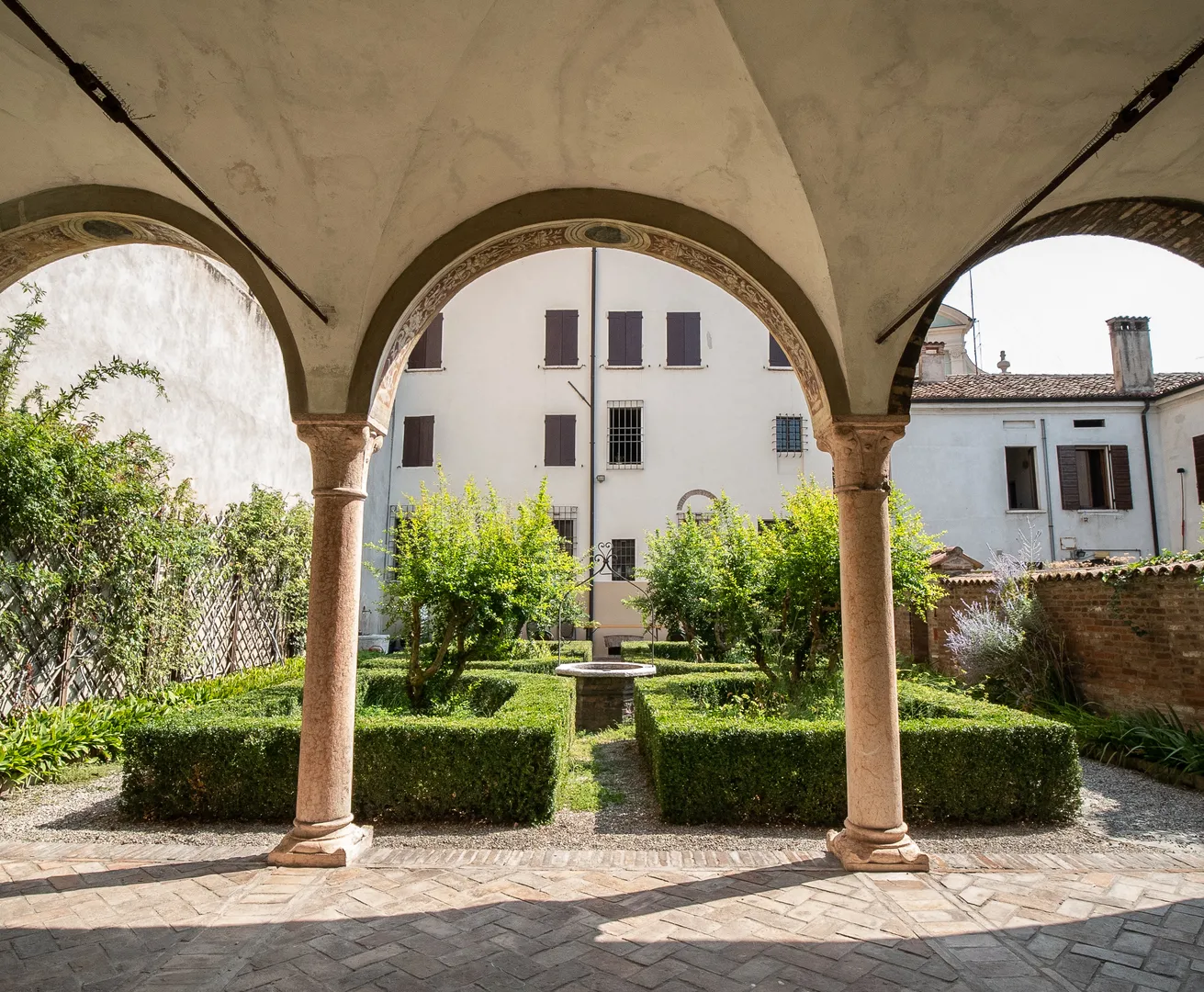
The Po Valley: the widespread botany of Interno Verde in Mantua. The enhancement of private botanical and architectural heritage finds its most organic expression in the widespread festival Interno Verde. The event exceptionally opens to the public some of the most evocative gardens hidden behind the doors of historic palaces in the cities of the Po Valley. On the September dates — 26 and 27 — Mantua is transformed into an itinerary of stages between nature and architecture. The route is enriched by collateral events dedicated to sustainability and the environment, including workshops for adults and children, guided thematic itineraries, exhibitions, art installations and convivial moments beneath the trees.
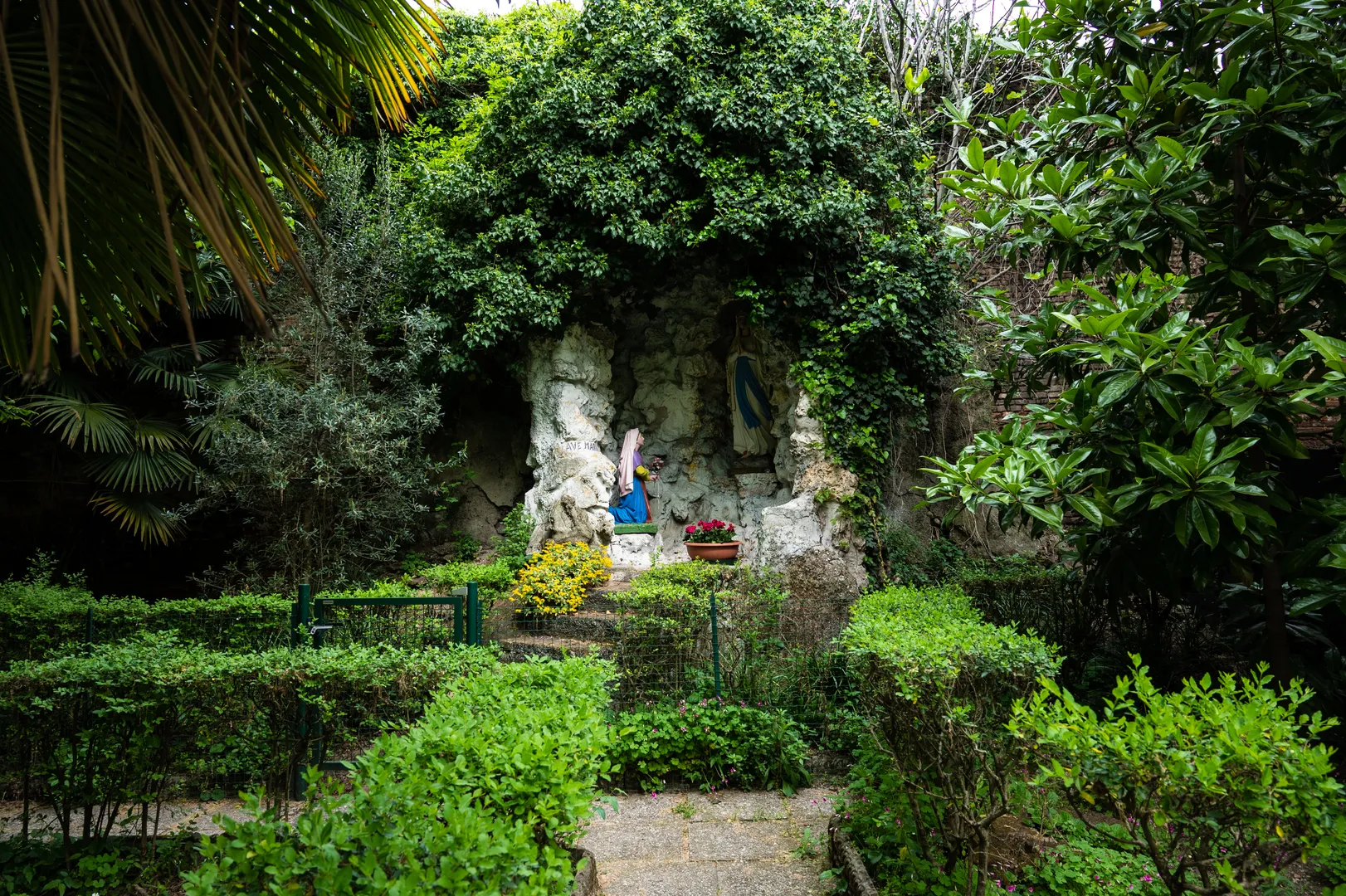
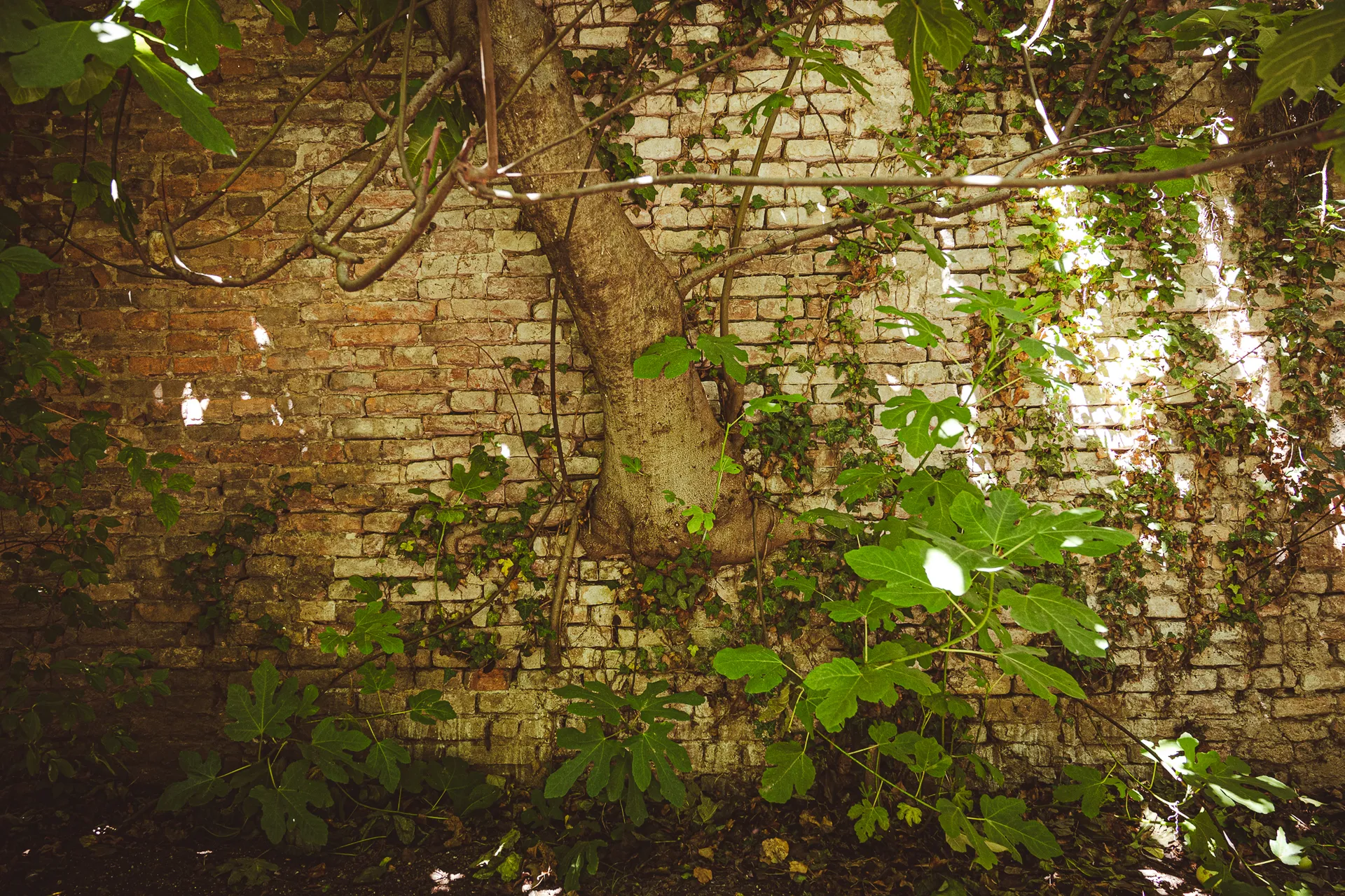
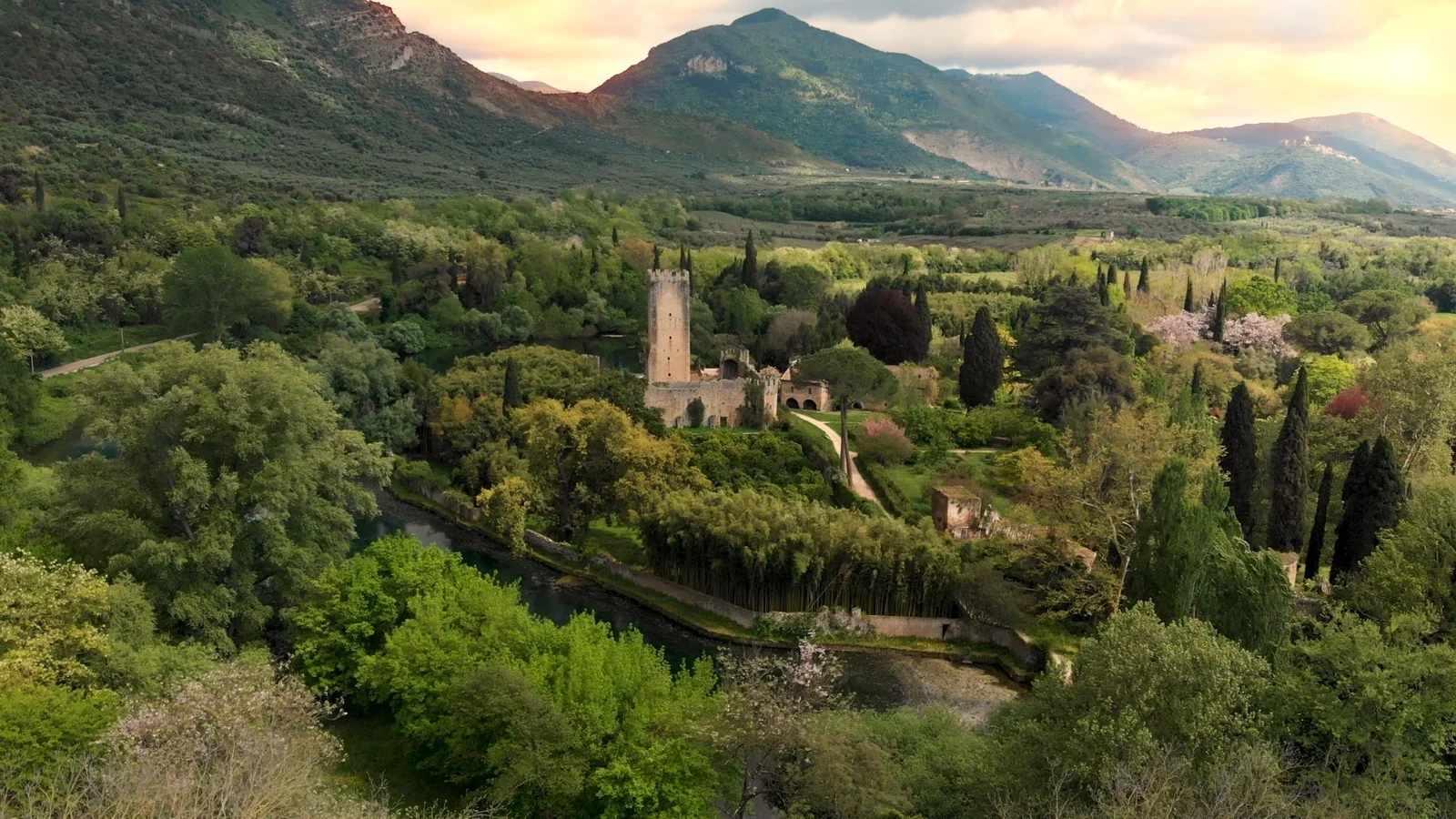
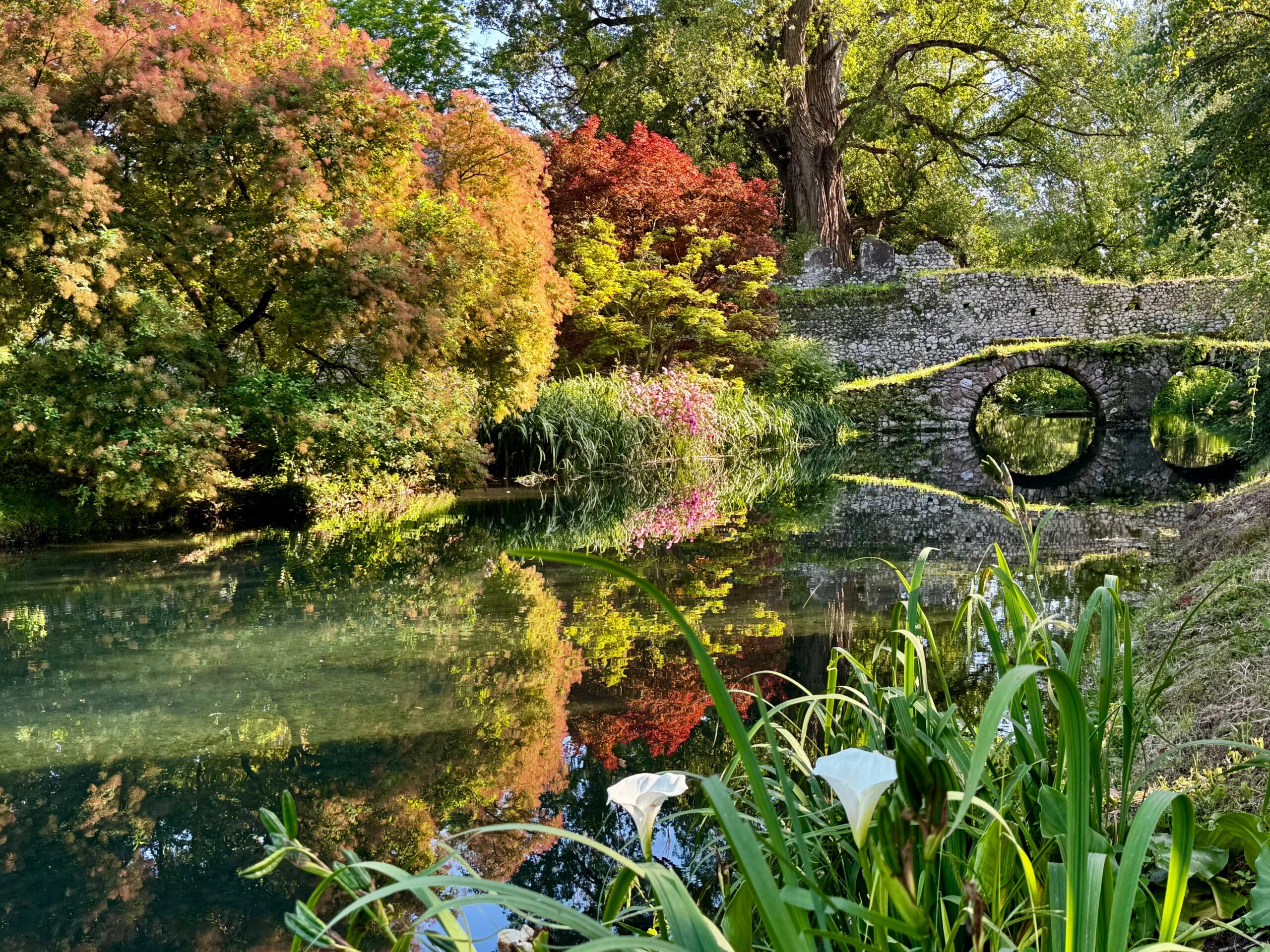
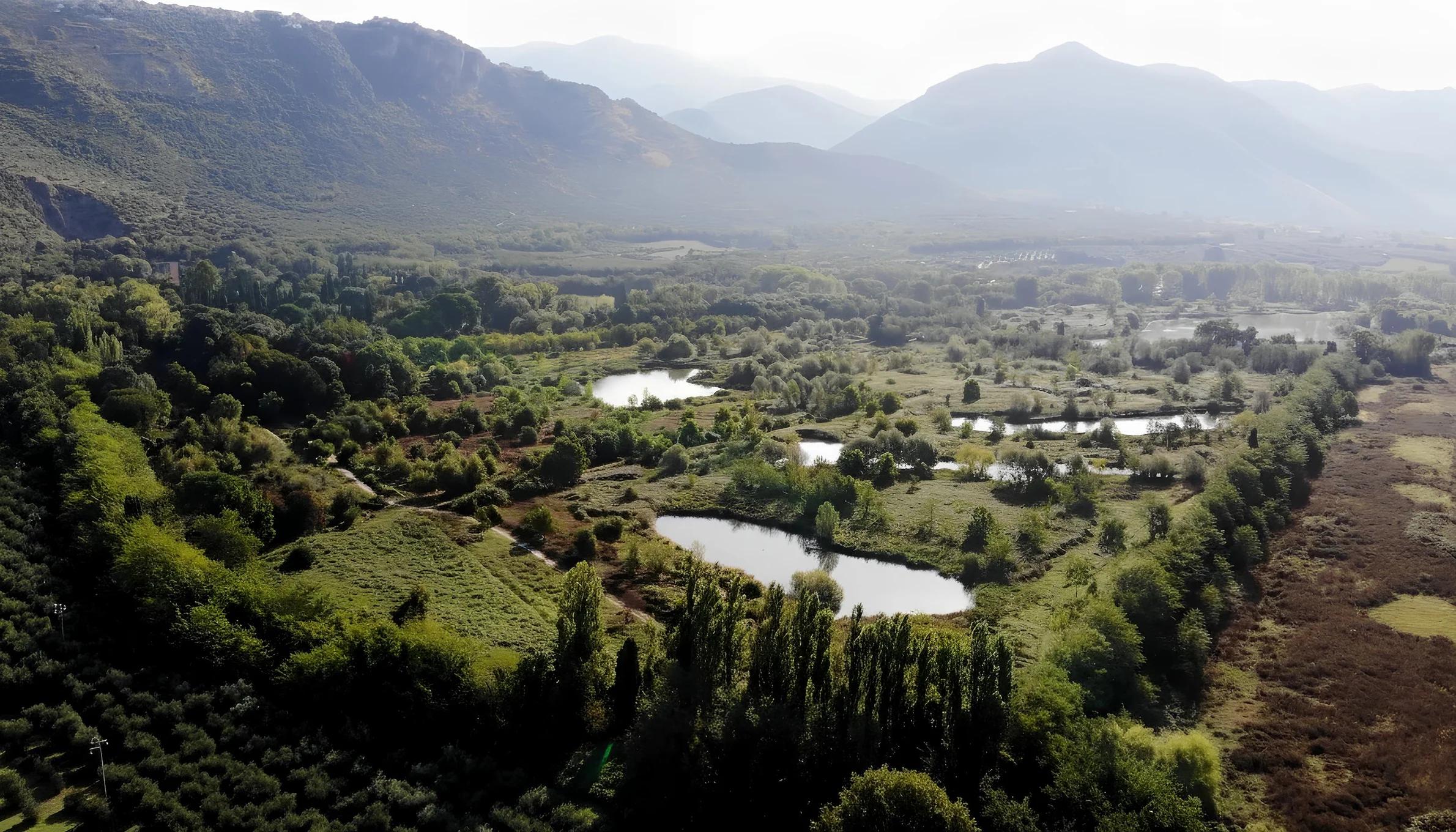
The Pontine Plain: the fairy-tale atmosphere of the Garden of Ninfa. On the ruins of the ancient medieval city of Ninfa, destroyed in the fourteenth century and long abandoned, stands one of the most romantic Anglo-Chinese gardens in the world: the Garden of Ninfa. Managed by the Fondazione Roffredo Caetani in Cisterna di Latina, the site owes its layout to the reclamation and enhancement works undertaken by the Caetani family in the early twentieth century.
The particular microclimate generated by the River Ninfa allows more than 1,300 plant species from different continents to coexist. In autumn, the park is dressed in warm colours: Japanese maples, late roses, giant bamboo and ornamental cherry trees reflect their shades in the spring waters and clear streams, framing the remains of the castle, bell tower and stone bridges. The area is also a protected natural monument and an important resting place for numerous species of migratory birds.
Florence and Boboli: olfactory and tactile routes at the Botanica Superiore. In Florence’s Medici Boboli Gardens, the enhancement of greenery is combined with inclusive accessibility through the project Il giardino dei sensi, hosted in the intimate setting of the Botanica Superiore. Until 1 October 2026, the initiative, promoted by the Uffizi Galleries together with the Italian Union of the Blind and Visually Impaired and the association Culturaepiù, offers multisensory visits led by guides with visual impairments. Participants, blindfolded along the route, are invited to rediscover the natural space through touch, hearing and smell, exploring organic forms, the scents of rare essences and the sounds of nature. The experience is integrated with technological sensors placed along the route, able to activate explanatory audio content through an app and a special cane.
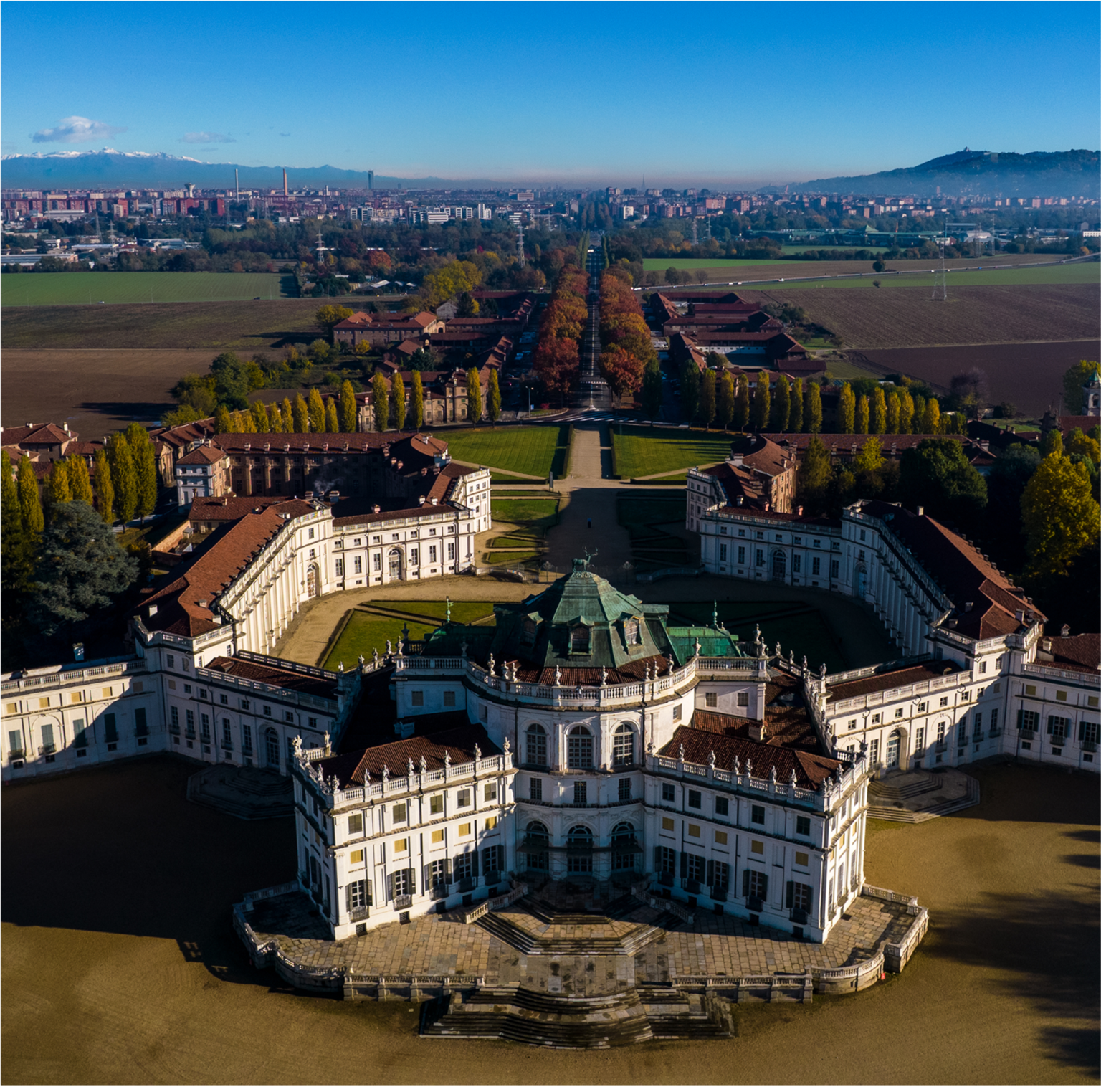
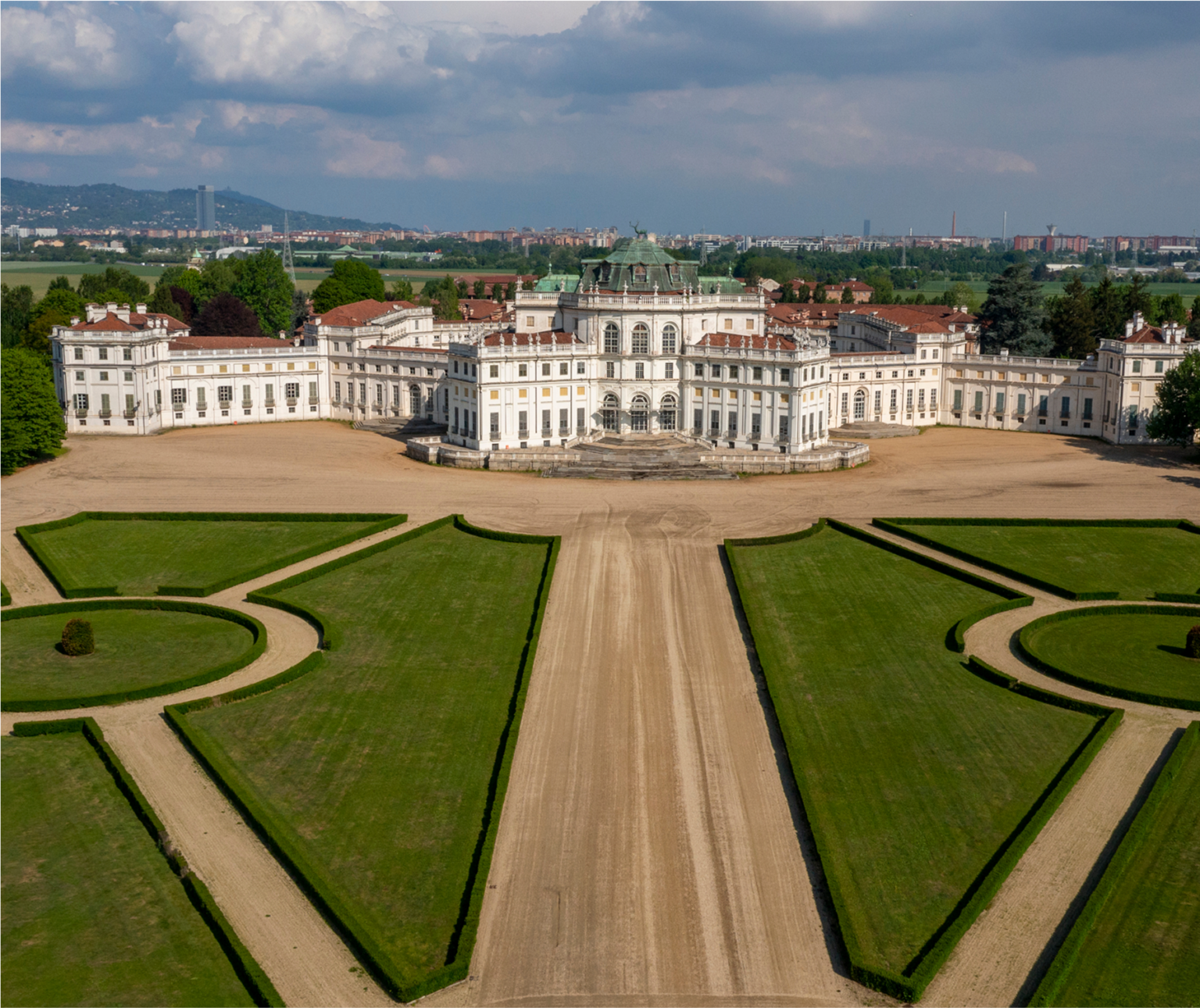
Turin and Venice: Savoy residences and contemporary sculpture in green spaces. In Piedmont, the Hunting Lodge of Stupinigi reopens the doors of its historic garden to the public until 31 October. On Saturdays in September, the reopening is accompanied by the special Passepartout visit cycle, designed to reveal rooms and spaces usually excluded from the ordinary routes through the Savoy residence.
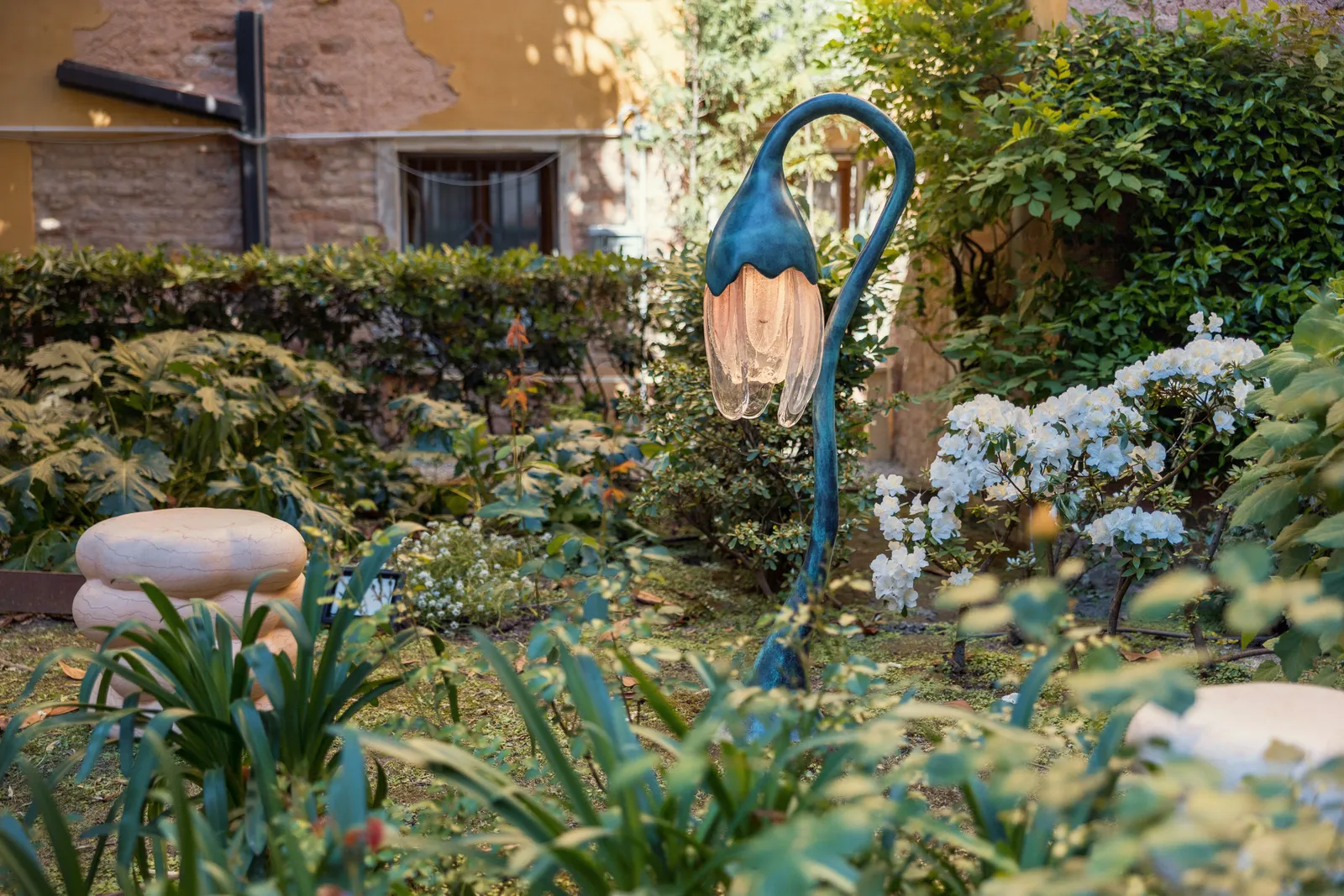
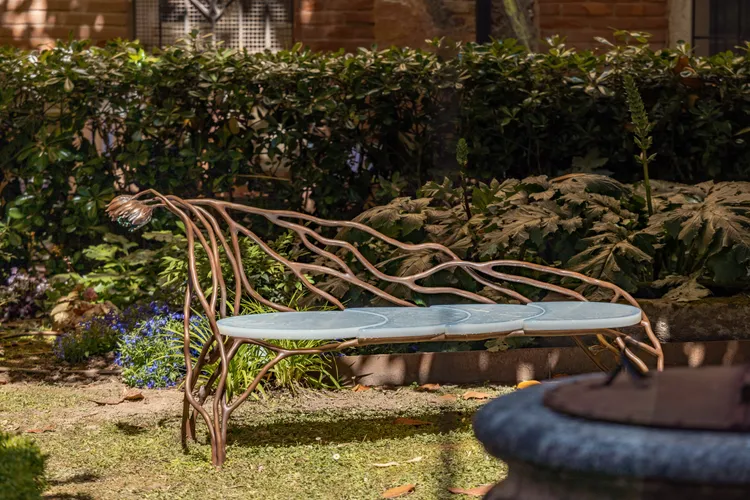
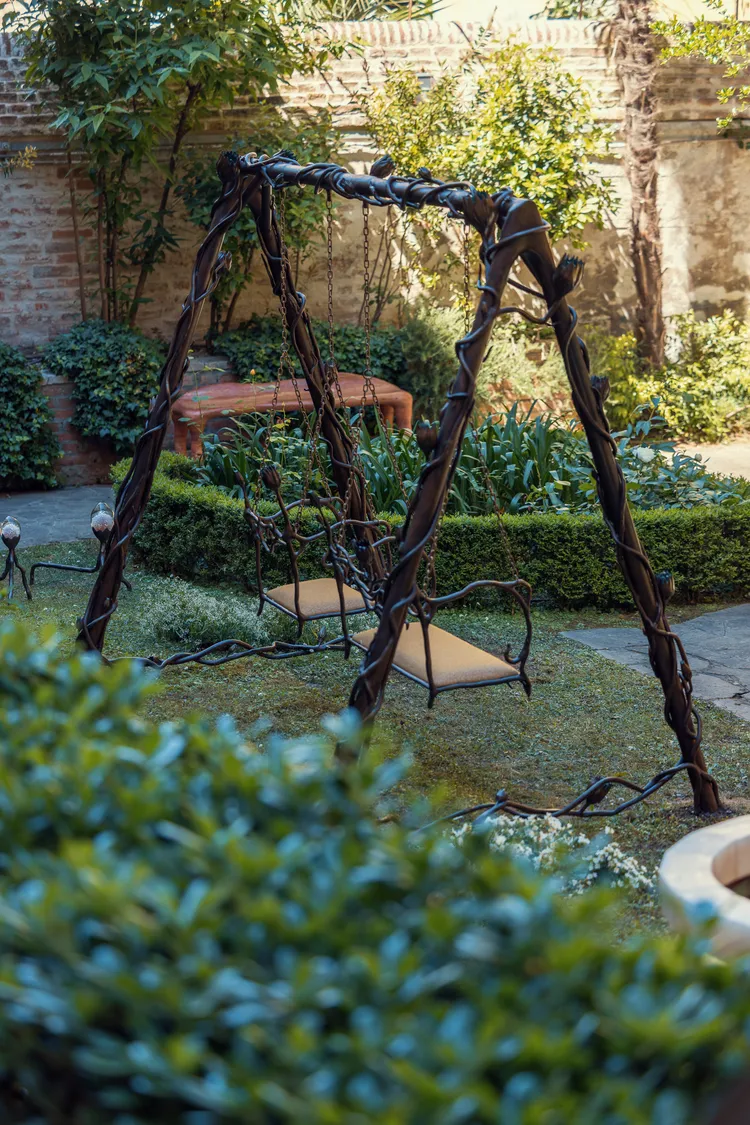
In Venice, the relationship between nature and contemporary art takes on a dreamlike quality with Il giardino segreto by Irene Cattaneo, open in Calle degli Orfei near the Fortuny Museum until 30 September. Coinciding with the 61st International Art Exhibition and on the eve of Venice Glass Week, the artist transforms a private green space into an open-air room, inspired by Frances Hodgson Burnett’s novel and its 1993 film adaptation.
Curated by Lo Studio – Nadja Romain, the installation route places bronze, marble, onyx and Murano glass works — created in collaboration with historic local furnaces — alongside plant essences. Everyday objects such as swings, tables, keys and drain covers become sculptures charged with symbolic and nostalgic value, encouraging reflection on the relationship between individual memory and natural transformation.
Completing the picture of autumn cultural proposals, Milan will host Intime visioni. ’900 segreto at Palazzo Lombardia, in the Spazio Isolaset, from 16 September to 14 October. Curated by Antonio D’Amico, the exhibition brings together 90 works by masters of Italian painting such as Guttuso, Carrà and Casorati, focused on landscape and the female portrait.
Cover image: Garden of Ninfa © Garden of Ninfa